
Toms River House Washing: Removing Salt Air Film and Algae from Vinyl Siding
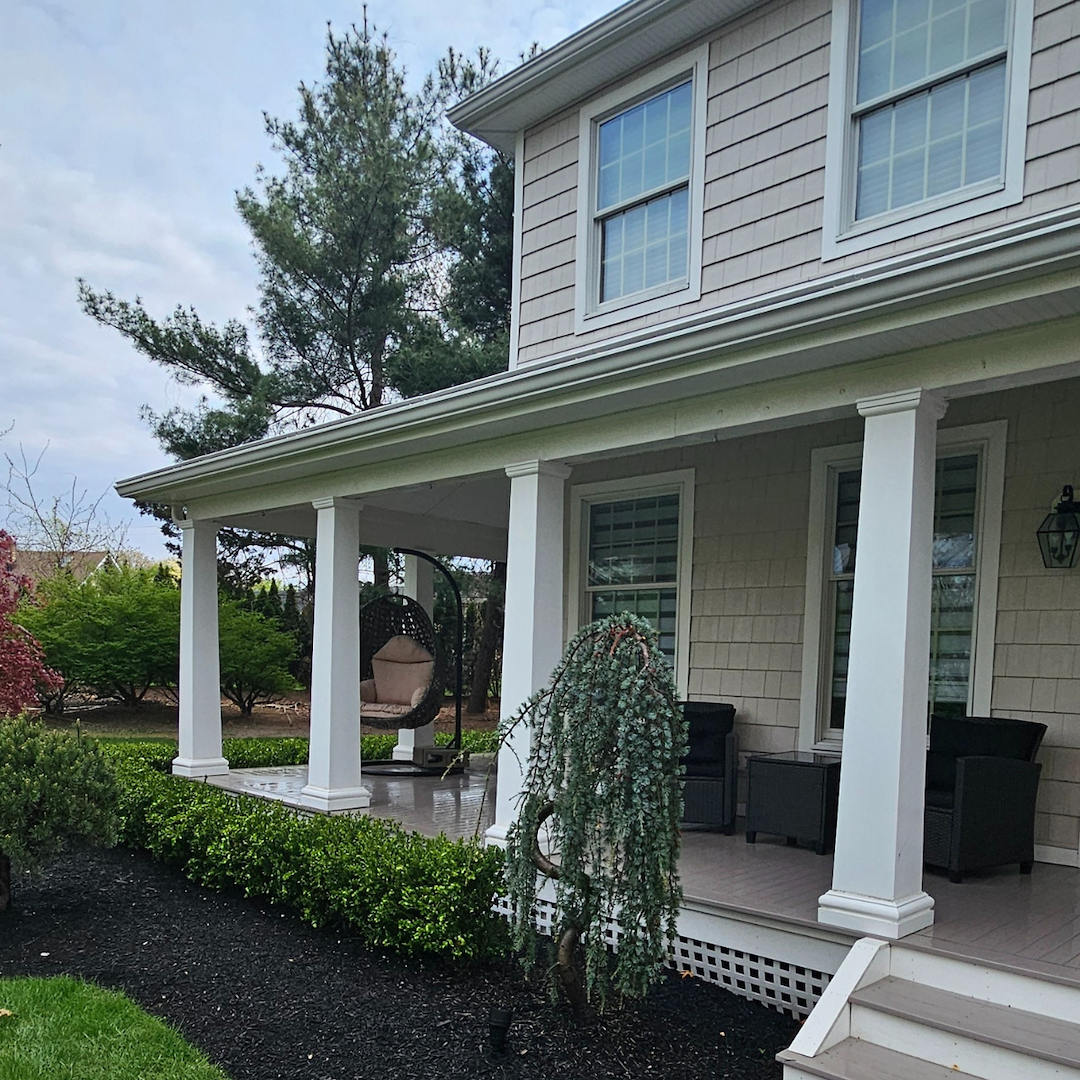
Live along Barnegat Bay or near the Toms River waterfront and your siding takes a daily beating from brackish, salt-heavy winds. That sticky salt film grabs pollen and dust, then traps green algae in the shady corners of your home. If your goal is a safer, longer‑lasting clean, scheduling professional house washing is the right first move for vinyl and painted siding in Toms River.
Why Waterfront Homes in Toms River Build Up Grime Faster
Coastal neighborhoods like Silverton, Green Island, Windsor Park, Shelter Cove, and Money Island sit close to tidal water. Breeze off the bay leaves behind a fine salt crust. Afternoon humidity and shade under tall pines keep walls damp. Together they make a light glue that holds on to grime and feeds algae.
- Salt crystals create a tacky film that bonds dust and tree pollen to the wall.
- Shaded sides stay cooler and wetter, which helps algae colonize faster.
- North and east walls near the water often show green streaks first after rain.
Homes a few miles inland still see algae, but not at the pace of bayside properties where moisture lingers and salt is constant.
Vinyl Siding + Salt Air + Shade: The Perfect Algae Trap
Vinyl is durable, but it is not sealed like glass. Microscopic texture on the surface gives algae a foothold, especially when salt film and humidity meet. Add wind‑blown spores from nearby trees, and you get green haze on soffits, around downspouts, and behind shrubs where air does not move.
Left alone, that algae can creep under laps and behind trim, staining insulation and sheathing. That is why surface gloss fades and why green returns so quickly if the root growth is not treated.
Why High-Pressure DIY Washing Is Risky For Vinyl
Many homeowners reach for a rental pressure gun. The blast looks satisfying in the moment, but it is the wrong tool for most siding.
- Water can be driven through seams and vinyl weep holes, soaking the wall cavity.
- High force can strip oxidation unevenly, leaving blotchy patches you cannot “buff out.”
- Splashback forces dirty runoff into soffits, causing hidden mildew and streaks.
Water intrusion is the big one. When a jet crosses window trim or overlaps a lap joint, it can push water behind the panel. It might dry out in July. In October, it can sit cool and damp long enough for mold to start. You may not see the problem until a musty odor or a soft spot shows up.
The Safe Fix: Downstream Soft Washing For Coastal Homes
A downstream soft wash uses low pressure similar to a garden hose. The real work comes from a controlled soap application that loosens the salt crust and kills algae at the source. A gentle rinse carries everything away without driving water behind your siding.
Here is what a pro soft‑wash visit from Vantage Exterior Solutions looks like without getting into DIY territory:
- Survey the bayside exposure, shaded walls, and weep areas most likely to trap moisture.
- Apply a targeted house-wash mix through a downstream system that keeps strong solution out of the pump.
- Let the cleaner dwell long enough to break the salt film and biofilm bond.
- Rinse softly from top to bottom so seams, fixtures, and outlets stay protected.
That process removes the sticky film and deals with the organism causing the stains, so the clean lasts longer than a simple rinse.
Local insight: After nor’easters or multi‑day bay breezes, a salty haze can show up on the east and north walls even if the weather stays dry. That “dust” is often salt. Tackling it with a gentle, pro‑grade soft wash prevents it from becoming a stubborn algae bed later.
How To Tell If Your Siding Has Salt Film Versus Simple Dirt
Salt film looks dull and sticky. Dirt wipes away and returns slowly. Salt film grabs pollen and turns blotchy after a humid night. You will often see it:
- Under soffits where air stalls
- Around hose bibs and light fixtures where seams overlap
- Behind shrubs where morning dew lingers
If your bayside wall looks dusty but feels slightly tacky, you are likely dealing with salt film that needs chemistry, not pressure.
Green Algae, Black Mildew, Or Both?
Along the Barnegat Bay corridor, green algae dominates shaded vinyl and aluminum. On trim and gutters, you may notice darker staining or tiger stripes. A correct soft-wash mix addresses both. That matters because only lifting the green on the surface can leave a food source behind. The result is fast regrowth that makes your home look tired again within weeks.
Why Timing Matters In Toms River
Two windows on the Shore tend to deliver the best results: late spring after the heavy pine pollen drops and early fall after peak humidity. Book too early in spring and yellow film can settle on fresh walls. Wait until late fall and you may wash during cold snaps that slow the rinse. For waterfront streets in Silverton and Shelter Cove, fall soft washing often holds the clean look deeper into winter.
Common Trouble Spots On Waterfront Vinyl
Every home is different, but we see the same hotspots on many Toms River houses:
- North‑facing bayside walls with tall pines nearby
- Soffits and fascia near gutters that pull salt spray upward
- Bottom laps close to plant beds where sprinklers and dew meet salt air
- Window trim and light fixtures that collect mist and shade
A careful soft-wash avoids blasting these seams and focuses on dwell time instead of force.
What About Your Roof And Gutters?
Roofs close to the bay pick up dark streaks from algae that feed on shingle filler. A siding‑only wash can look odd if the roof stays streaked. Pairing siding care with a gentle roof cleaning keeps the whole home bright and prevents streak runoff from staining freshly washed walls later.
How Professional House Washing Protects Your Home
There is curb appeal. Then there is performance. A correct soft wash protects caulk lines, window seals, and paint. It also helps your HVAC a little. Lighter walls reflect more heat, which can reduce attic temperature on hot afternoons. The difference is small, but every bit helps along Route 37 in July.
Most important, a pro process manages runoff. Crews should pre‑wet landscaping, control spray on windy days, and rinse hardscapes clean. That tidy finish is part of a job well done on tight waterfront lots where driveways and decks sit close together.
Warning Signs It Is Time To Soft Wash
These quick checks work well for bayside homes in Toms River:
- Green tint that returns on the same wall within a few weeks of rain
- Sticky, dusty film that turns blotchy overnight
- Dark trails below light fixtures or under soffits
- Patio furniture and railings that feel gritty even after a rinse
See two or more on a waterfront side of the house and it is time to plan a soft wash before the next humid stretch.
Why Choose A Soft-Wash Specialist Over Generic Pressure Washing
Any machine can spray water. The difference is in how the soap meets the surface and how gently it is rinsed away. A specialist understands vinyl weep systems, shaded microclimates, and the way brackish air speeds up growth. That is why the safest path is hiring a local team that treats your home like a system, not just a wall.
If you want to dig deeper, you can compare methods while you read more about house washing Toms River best practices on our site. It explains why beating algae growth along the bay takes chemistry first and pressure last.
What You Can Expect From Vantage Exterior Solutions
We focus on coastal realities. Our techs decide mix strength and dwell time based on shade, proximity to the bay, wind, and the type of growth on your siding. Corners, seams, outlets, and fixtures get extra care so water does not enter where it should not. The rinse is low‑pressure and even, so the finish looks bright rather than streaky.
For a complete exterior refresh, many homeowners pair siding care with our house washing service again after a season change or with a roof soft wash if black streaks are visible. The sequence we plan avoids rinsing dirty water over newly cleaned walls.
How Often Should Toms River Homes Be Washed?
Most inland homes do well on a 12 to 18 month cycle. Waterfront and heavily shaded properties close to Barnegat Bay usually benefit from a shorter interval. Homes with dense trees, north‑facing walls, or heavy sprinkler use on salty days often look their best when scheduled just after peak pollen or ahead of late‑summer humidity.
Big No‑Nos That Shorten Siding Life
Do not blast vinyl with a narrow tip. That is the fastest route to water behind your walls. Avoid pointing a high‑pressure jet upward at laps, soffits, or under window trim. Skip harsh scrub pads that can scratch the surface and make future staining worse. The right answer along the Shore is a disciplined soft wash that breaks the salt‑algae bond and rinses it away gently.
Ready To Clear The Salt Film And Algae?
If your home sits near the water or faces a steady breeze off the bay, the buildup you see is normal. It is also fixable. A controlled downstream soft wash removes salt film and kills the growth that causes the stains. You get a brighter home and a cleaner look that lasts longer.
Talk with Vantage Exterior Solutions about the walls that turn green first and the windy side of your lot. We will map out a simple plan and schedule a time that works for your block. For fast help, call 732-575-0190. You can also learn more and book service any time by visiting house washing in Toms River on our site.
Bring Your Curb Appeal Back This Season
One soft wash can reverse months of sticky film and algae growth along the bay. Pair siding care with a roof cleaning if you see dark streaks overhead, and your home will look bright from the curb to the ridge.
Book today with Vantage Exterior Solutions, your local pressure washing pros. Call 732-575-0190 and we will handle the setup so you can enjoy a clean, welcoming home before the next humid stretch rolls in.