
The Jersey Shore Exterior Cleaning Guide: Preparing Waterfront Properties for Coastal Winter Storms
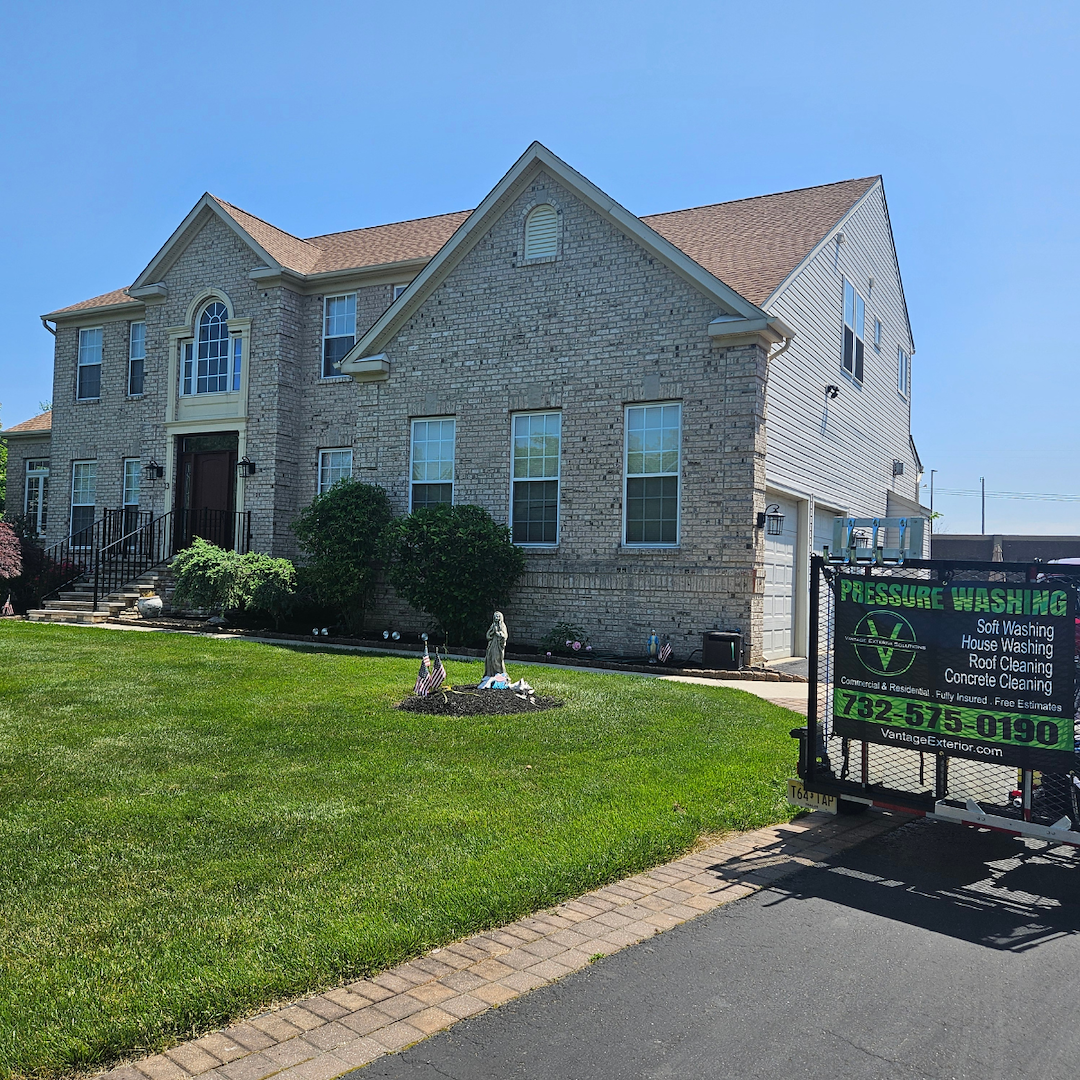
Jersey Shore exterior cleaning is more than curb appeal. It is a smart way to guard your home before freezing winds arrive. Homes from Sandy Hook to Cape May take daily hits of salt spray, sand grit, and organic growth. A timed late‑autumn soft wash clears that film so moisture cannot cling, freeze, and pry apart your siding, trim, and shingles.
Start by removing what winter loves to exploit. A gentle, professional house washing service lifts algae, mildew, and salt crystals without stressing the surface. On waterfront lots or homes within a few blocks of the beach, this simple step can be the difference between a calm winter and costly spring repairs.
Why Salt, Sand, and Algae Are Hard on Coastal Homes
Coastal air carries tiny salt particles that settle into pores of vinyl, fiber cement, and wood. Salt attracts moisture. When temperatures drop, trapped water expands as it freezes. Sand adds abrasion. Algae and lichen hold moisture like a sponge and anchor into micro‑cracks. Together they create a cycle of wet, freeze, and fracture.
On siding, that means hairline splits, warped laps, and peeling paint. On decks and railings, it shows as fuzzing on wood fibers and slick patches that stay damp all day. Roofs are even more vulnerable because wind‑driven spray loads the top of the home first.
The Freeze–Thaw Effect on Siding and Shingles
Picture a tiny bit of water tucked under a grain of sand on your clapboard. When it freezes, it expands with surprising force. Multiply that by millions of grains, and the stress becomes real. Asphalt shingles suffer as granules loosen. Wood shakes swell, then shrink, opening seams. **Left untouched, a salty biofilm turns winter into a slow pry bar.**
The Late-Autumn Soft Wash Timeline in New Jersey
Along the New Jersey coast, the smart window for a pre‑winter cleaning is late fall, before regular hard freezes settle in. The goal is to start the cold season with a clean, dry exterior. That way snow and sleet slide off faster, and meltwater has fewer places to sit and refreeze.
Plan around your microclimate. Bayside homes that face prevailing winds pick up salt faster than inland streets. Shaded lots cool earlier in the evening. If your gutters hold damp leaves or your north wall stays green, schedule your wash sooner rather than later.
Local tip: Watch for the first nights that dip near freezing along the shore. Book your soft wash a week or two ahead so surfaces dry fully before the next cold snap. Clean siding sheds sleet and salty mist, which helps your heat bill and protects paint.
Exterior Cleaning Plan by Surface Type
Soft washing is the preferred method for delicate coastal exteriors. It relies on low pressure and targeted detergents that break down organic growth and lift salt crystals. Here is how that plan adapts across common materials:
- Vinyl and fiber cement: Low‑pressure application loosens film without forcing water behind laps. Rinse until runoff runs clear.
- Painted wood: Gentle dwell time helps soiling release without lifting paint. Focus on joints, window trim, and porch ceilings where salt settles.
- Stucco and EIFS: Use a wider fan with extra rinse passes. These finishes hold fine salt and benefit from a patient approach.
- Composite decking and railings: Low pressure only. Rinse rail caps and stair treads carefully to remove gritty film that causes scuffs.
Roofs need a different tactic. High pressure is never right for shingles. A purpose‑built, low‑pressure roof cleaning process treats algae and moss while preserving granules and underlayment. **Avoid harsh blasts that can void material warranties or drive water under shingles.**
Wind-Driven Spray and Sand: Neighborhood Notes Along the Shore
Barrier island homes near dunes or inlets see the quickest buildup. Streets aligned with ocean breezes act like wind tunnels. In towns with boardwalk lighting, insects gather at night and leave organic spots that feed algae. On bayside lots, salt lingers after calm days because airflow is lighter. These small differences change how often you should clean, even between neighbors on the same block.
Look for early warning signs. A dull film on windows that returns a few days after you wipe it. Rust blooms on fastener heads. Green shadows under soffits. **If you can write your name in the salt dust on a railing, winter is already loading the dice.**
What Professional Soft Washing Includes
A trained team brings more than a machine. Expect a site walk, set‑up to protect landscaping, a measured detergent blend for each surface, and low‑pressure application followed by a full rinse. Surfaces dry clean, which reduces how much snow and ice can cling to the home in January and February.
For many homeowners, a seasonal bundle that covers siding, trim, entry areas, and the roof treatment is the simplest path. Explore the full range of exterior services on our services page to see how each surface is handled safely.
How a Clean Surface Protects Through Nor’easters
Winter storms hit from odd angles. Wind pushes salty spray into soffits and sideways under laps. Clean, dry siding sheds that brine faster, so less moisture is left to freeze overnight. Roofs that are free of algae dry more evenly after rain or wet snow. Drying is what matters most in freeze‑thaw cycles.
Think of your autumn soft wash like clearing a racetrack before a race. When the track is clean, the tires grip. When your surfaces are clean, water has less to hold on to. **Clean now, and winter has less leverage.**
Maintenance Schedule for the Next 12 Months
Use a simple rhythm that respects coastal conditions without overdoing it:
- Late autumn: Full soft wash for siding and trim. Target stubborn algae on the north and east sides first. Treat the roof with a dedicated low‑pressure application.
- Midwinter check: After a major nor’easter, walk the property when safe. Note any areas where snow lingered or where sand piled up against the foundation.
- Early spring: Quick rinse on entry steps, deck railings, and ground‑level siding to remove leftover salt and pollen. Touch up any stained spots before warm weather growth takes off.
- Late summer: Visual inspection for green streaks and roof algae shadows. If growth is returning fast, adjust your fall cleaning date a little earlier.
If you lease the property seasonally, align your schedule with turnover windows so the exterior is fresh for guests and protected before shoulder‑season storms.
Safety and Environmental Considerations
Soft washing uses controlled, low pressure plus detergents designed for exterior cleaning. Rinsing is thorough so residues do not linger. Landscaping is pre‑wet and covered as needed. Nearby waterways are part of daily life on the Shore, so runoff control is standard practice for reputable crews.
Household cleaners are not a substitute. They can etch finishes or leave sticky films that attract more dirt. **Trust a professional process that cleans and rinses to a neutral finish.**
Roof Protection for Waterfront Properties
Algae on shingles is more than a dark stain. It holds moisture against the roof and can speed up granule loss. Moss lifts shingle edges and invites wind to get under them during a gale. A professional, low‑pressure treatment tackles the growth at the root and helps your roof dry faster after rain and wet snow.
Homes that face open water often need the roof treated on a slightly tighter cycle than inland homes. That does not mean more pressure or stronger chemicals. It means a careful, repeatable method that respects the roof system. Learn how a gentle approach keeps shingles safe in our overview of roof cleaning.
When to Book and What to Expect
Late autumn appointments fill quickly when the forecast hints at the first series of cold nights. Booking early gives you flexibility to hit a dry, calm day. You do not need to be home for the entire visit, though access to outdoor spigots helps. Crews work in sections so rinse water never dries on glass or trim.
Expect a short property review, the soft wash application, and a careful final rinse. Walk the home with the technician if you are available. Ask about any areas that hold moisture, like shaded eaves or the side that faces the afternoon wind. These are the places to watch during winter.
Why Vantage Exterior Solutions Is a Smart Fit for Coastal Homes
Waterfront properties deserve a team that understands salt, wind, and winter. Vantage Exterior Solutions uses a soft washing process that is gentle on materials and tough on organic growth. Crews are trained to work around delicate trim, fixtures, and plants. You get clear communication, a tidy worksite, and results that last through the season.
If you want a single partner for the whole exterior, pair your siding service with a scheduled roof treatment. It is the easiest way to enter winter with clean, dry surfaces across the board. For a quick overview of what we handle, browse the full services lineup and consider which areas of your home need the most attention this fall.
Get Ready Before the Next Coastal Chill
Winter on the Shore will test every surface. A late‑autumn soft wash keeps salt, sand, and algae from locking in place. That simple step helps siding, trim, and shingles ride out cold snaps with less stress and fewer spring surprises. If you want guidance on timing for your block and exposure, the Jersey Shore pressure washing team at Vantage Exterior Solutions is happy to help.
Call 732-575-0190 to plan your fall visit. If you are focusing on the walls and trim first, explore our approach to professional house washing. When roof streaks or moss are on your list, add a gentle roof cleaning so the entire exterior starts winter clean.