
How Often Should You Pressure Wash Your Jersey Shore Home?
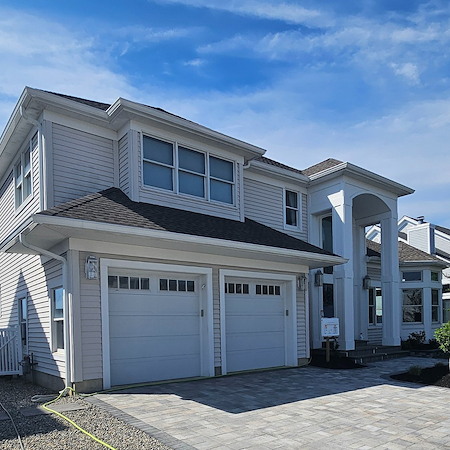
Living near the bay and ocean is a dream, but that salty breeze is tough on siding. If you’re wondering how often to schedule house washing in Toms River, here’s the short answer: most Shore homes need a routine that matches our coastal climate, not a one-size-fits-all plan.
Homes along Barnegat Bay, Ortley Beach, and the barrier island get regular salt spray, while inland spots like North Dover and Silverton face shade, pollen, and humidity. That mix means buildups show up faster and stick around longer. For a gentle, siding-safe clean that removes algae, salt film, and windblown grit, consider a professional house washing on a set schedule tailored to your block and exposure. If you want to learn more about the industry behind it, many homeowners start by reading about pressure washing in Toms River so they understand how local weather drives maintenance.
What A Realistic House Washing Cadence Looks Like At The Shore
The right cadence depends on how close you are to open water, how much sun your walls get, and which direction your home faces. A south or west wall bakes in afternoon sun, but north and east walls stay damp longer, so algae returns faster there.
Bayside, Barrier Island, and Waterfront Homes
If you’re on the barrier island, along Bayfront neighborhoods, or anywhere that hears the gulls all day, expect faster build-up. Salt crystals mix with humidity and stick to vinyl, stucco, and painted wood, inviting mildew. Many waterfront homeowners find a 3–4 month rinse-and-wash rhythm keeps the film from hardening and prevents that chalky look on shutters and trim.
Inland Neighborhoods and Wooded Lots
In Silverton, East Dover, and wooded pockets near county parks, shade and pine pollen are your main culprits. Here, algae often shows up as streaks under gutters and soffits. A twice-a-year plan usually handles the growth cycle, with touch-ups for the shadiest sides of the house.
Why Pressure Washing in Toms River Demands A Different Schedule
“Coastal salt air cleaning” isn’t just a buzz phrase. Our mix of salt spray, nor’easter winds, and humid summers puts homes on a faster clock than inland towns. Understanding the drivers helps you set a smarter calendar.
- Salt Spray: Fine salt crystals land on siding, attract moisture, and hold grime in place.
- Humidity: Summer humidity keeps surfaces damp, so algae spreads quickly on cooler, shaded walls.
- Wind and Sand: Strong onshore winds carry abrasive particles that scuff paint and embed in texture.
- Pollen and Leaves: Spring pollen and fall leaves create sticky films that stain siding and trim.
Salt film left for months can stain and pit delicate finishes, especially around window trim and decorative shutters. A steady schedule interrupts that cycle before damage starts.
Seasonal Timing That Works Along The Jersey Shore
It’s not just “how often,” but also “when.” Toms River’s seasons push different types of buildup, so timing your clean helps it last longer.
- Late Winter to Early Spring: As storms ease up, a late-winter or early-spring wash clears grit and salt from siding, porch railings, and door surrounds. It’s also a good time to reset after holiday decorations and before peak pollen season kicks in.
- Late Spring to Early Summer: Pine and oak pollen can glue itself to salt residue. A wash in this window keeps that yellow haze from baking onto paint during the first hot spell. Your home stays brighter through July barbecues and beach traffic.
- Late Summer To Early Fall: A late-summer refresh cleans sunscreen overspray on porch areas and removes algae that loved the humid stretch. Early fall washing also reduces leaf stains on siding and fascia boards before the rainy period arrives.
Local tip: Homes within a few blocks of the bay or ocean face invisible salt spray even on calm days. Scheduling a quick, low-pressure rinse between full cleanings can stretch results and prevent the crusty film that invites algae.
Materials Matter: Siding, Stucco, and Painted Surfaces
Different materials handle weather differently, so your schedule may change across the same home. Vinyl siding resists moisture but shows algae on the shadiest walls first. Fiber cement holds color well yet benefits from routine, gentle cleaning to keep edges crisp. Stucco can trap grime in its texture, so a consistent wash cycle helps keep the surface even.
Painted wood around porch columns, railings, and trim needs special attention near the shore. Salt and UV can dull these areas faster than flat wall panels. Keeping them on a regular cleaning track helps paint last longer and reduces the chance of peeling.
Avoid high pressure on older siding and painted trim; it can force water behind panels and shorten the life of caulked seams. A professional approach balances the right detergents with low, controlled pressure to protect finishes while lifting stains.
Red Flags that Tell You it’s Time To Wash
Don’t wait for green streaks to cover half the wall. Small signs give you an early nudge:
- Shadowy, matte patches on the north or east walls that return days after rain.
- Rust-colored dots under light fixtures or hose bibs.
- Chalky residue on fingertips when you touch shutters, railings, or trim.
- Dark arcs beneath gutters, downspouts, and window ledges.
- Fine white crust at the seaside-facing corners after windy weeks.
When you catch buildup early, you protect sealants, fasteners, and paint from premature wear. That’s money saved over the long haul.
Protecting Curb Appeal and Home Value in Ocean County
Fresh siding sends a clear signal that a home is cared for. In neighborhoods from Shelter Cove to Gilford Park, real estate agents often point to clean exteriors when talking about “move-in ready.” A steady house pressure washing schedule keeps photos sharp if you plan to list, and it preserves pride of ownership if you’re staying put.
If you’ve heard the phrase “Ocean County exterior cleaning,” it usually means attention to the details that show up in photos: soffits, porch ceilings, trim boards, and the sides of chimneys. Those spots collect streaks first and can drag down curb appeal even when the front wall looks okay. A predictable cleaning cadence keeps the whole picture bright.
How Professional Service Keeps Damage Away
Near the Shore, it’s easy to think a quick blast will do the trick, but uncontrolled pressure can etch vinyl, fuzz wood grain, or push water behind joints. Professional crews match detergents to the stain type, control rinse angles around windows and doors, and protect landscaping. That approach gives you a deeper clean that lasts longer between visits, especially on the windward sides of the house.
If you’ve never scheduled a service before, start with a baseline cleaning, then set reminders that line up with your location and exposure. Many homeowners discover that a consistent plan reduces the total number of full washes they need over a year because they’re not playing catch-up with stubborn buildup. When you’re ready to set that baseline, look into a gentle, siding-safe house washing, so your schedule starts from a clean slate.
Your Personalized Schedule For Toms River Homes
Every block around Toms River is a little different. Homes by the bay need quicker follow-ups; homes under tall trees need extra attention during pollen and leaf seasons. The best plan considers your exposure, shade, material, and past buildup patterns. From there, it’s just a matter of setting calendar reminders and sticking to them.
As you plan, keep local rhythms in mind: spring pollen, summer humidity, and fall leaf stains. Together, they explain why “pressure washing Toms River NJ” searches spike in those seasons. A simple, repeating routine will keep your home looking sharp for beach days, backyard parties, and holiday lights.
Ready to protect your siding and keep your home looking crisp year-round? Book a visit with Vantage Exterior Solutions or call 732-575-0190 to set your custom schedule today.